Built around the work.
MyTCLab is for people doing tissue culture, and it started in the middle of the work: mason jars, contamination, and a lot of trial and error.
Where it started
I came to tissue culture from marketing, not from a greenhouse. Laur of Plants in Jars showed me what happens when one small piece of a plant becomes many, and I wanted to learn it myself.
The early problem wasn’t the science. It was cleaning. My explants kept getting contaminated. I cleaned more than I needed to, and I was bent on scrubbing every step. Over time I learned which steps matter, and as the cleaning improved, fewer jars were lost. I could see my learning on the shelf.
The order is your blueprint
The biggest mistake I see growers make is working without order. Know the sequence before you start, and follow it. Don’t stop halfway to do something else. Plant tissue is on a clock. Once the window for a good explant closes, it doesn’t reopen.
I learned this the hard way while trying to culture strawberry explants. I had the materials and the recipes, but I broke my own sequence, and the tissue didn’t wait for me.
That’s why MyTCLab tracks the parts of the work that are easy to lose track of: calculations for each batch, subculture timers, shelf locations, and observations, all connected in one place.
Plants multiply
Genesis 1:11–12 describes plants on the third day, bearing seed and reproducing after their kind. Scarcity isn’t the design. God made a world meant to be plentiful, and He gave people the ability to observe, test, and figure things out. People learned that plants could be multiplied. Tissue culture is one result: careful observation, patience, and one plant becoming many.
Scripture references — Legacy Standard Bible (English)
John 1:3 (LSB) · Colossians 1:16–17 (LSB) · Hebrews 1:2 (LSB) · Genesis 1:11–12 (LSB) · Romans 1:20 (LSB)
Growing and learning together
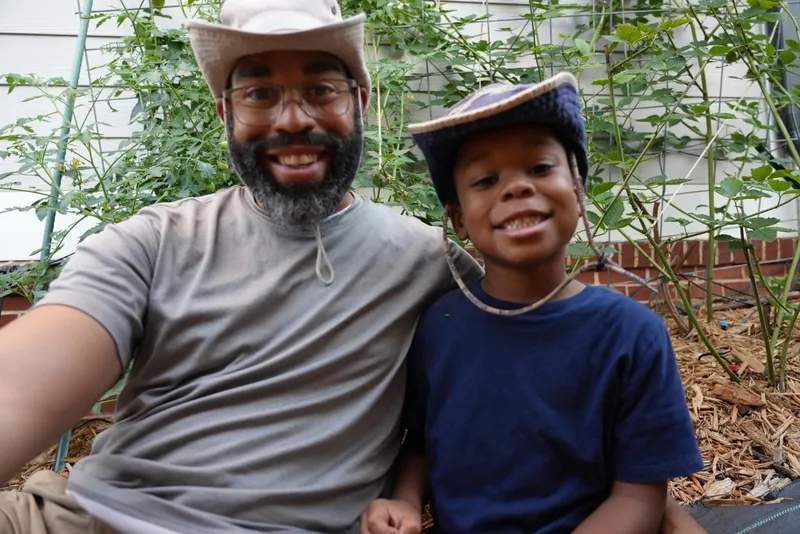
My son is the reason we started growing blackberries. He liked them, and I thought we could grow our own instead of paying someone else to supply them. He’s four now, and everything about plants fascinates him. Teaching him what I learn has made me a better grower, and it’s a big reason I want this tool to be simple enough for a family to use.
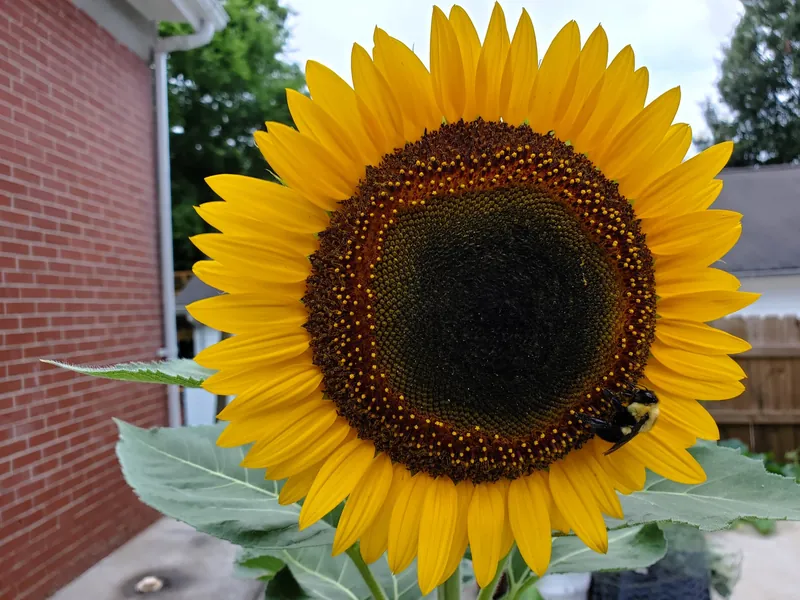 Sunflower
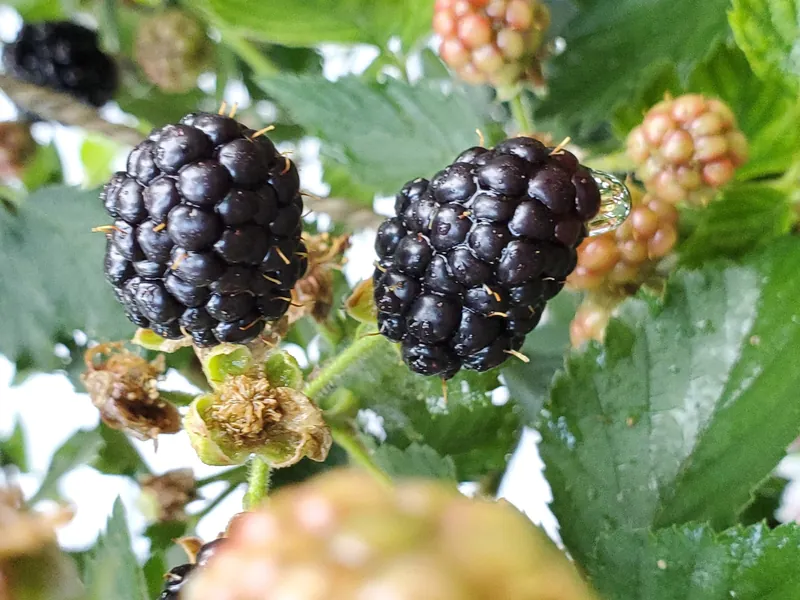 Blackberry
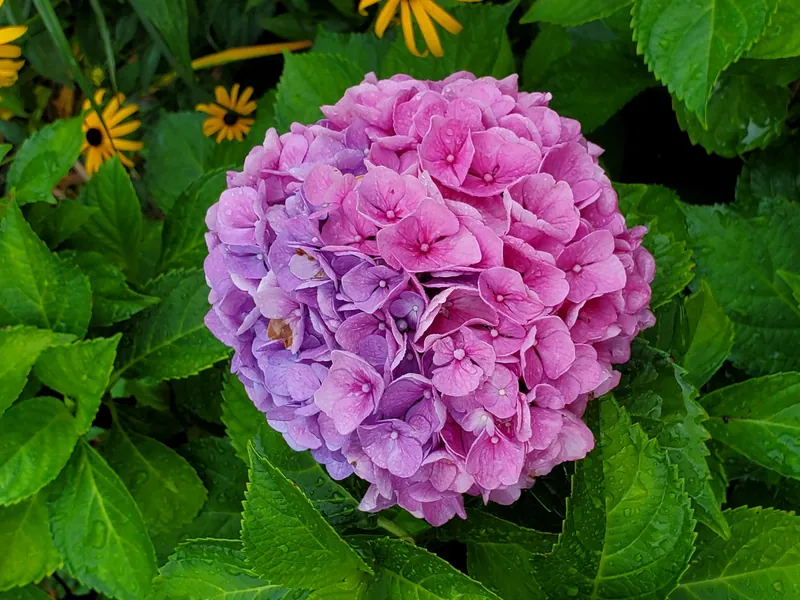 Hydrangea
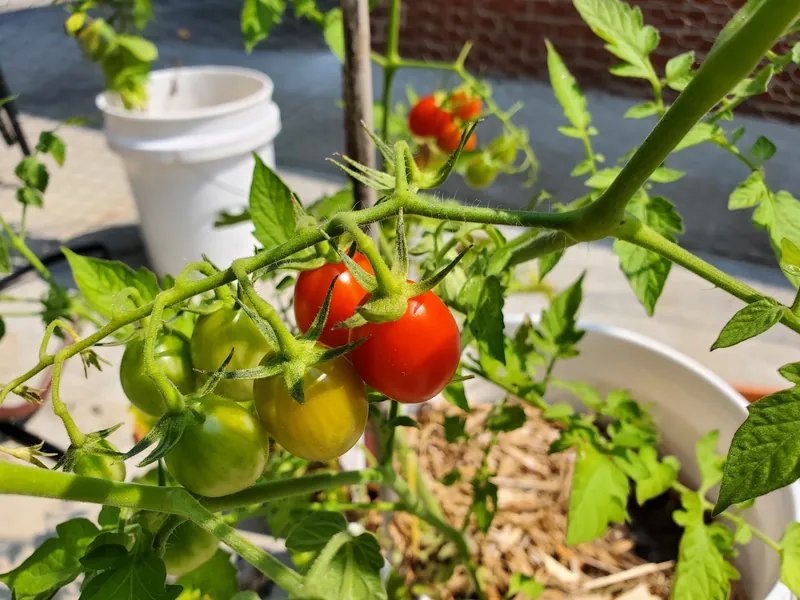 Tomato
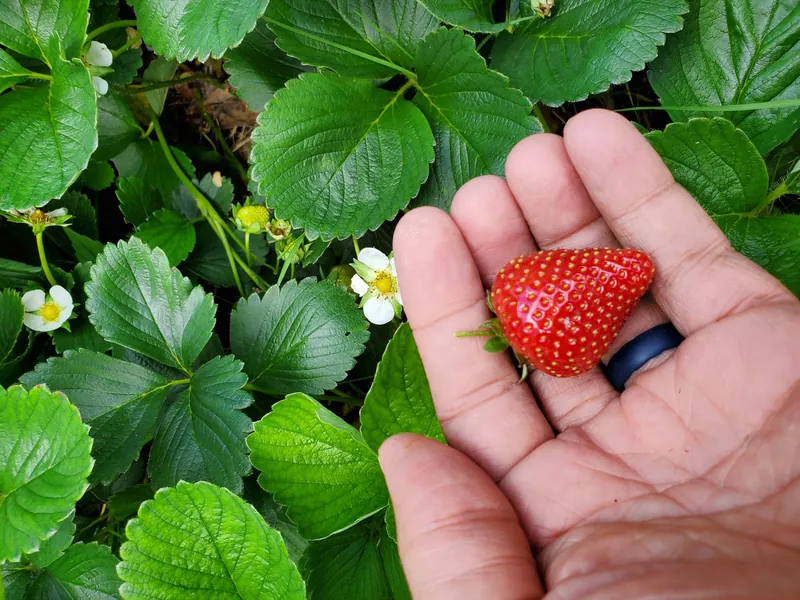 Strawberry
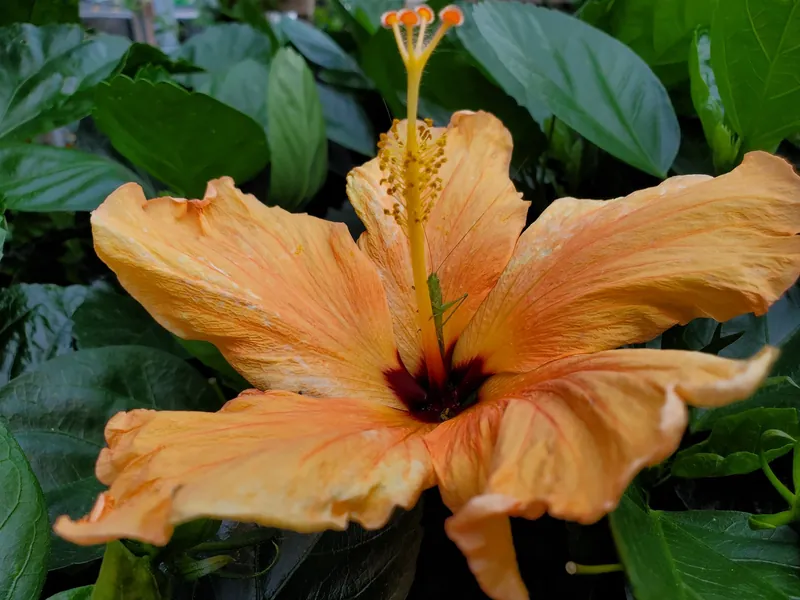 Hibiscus
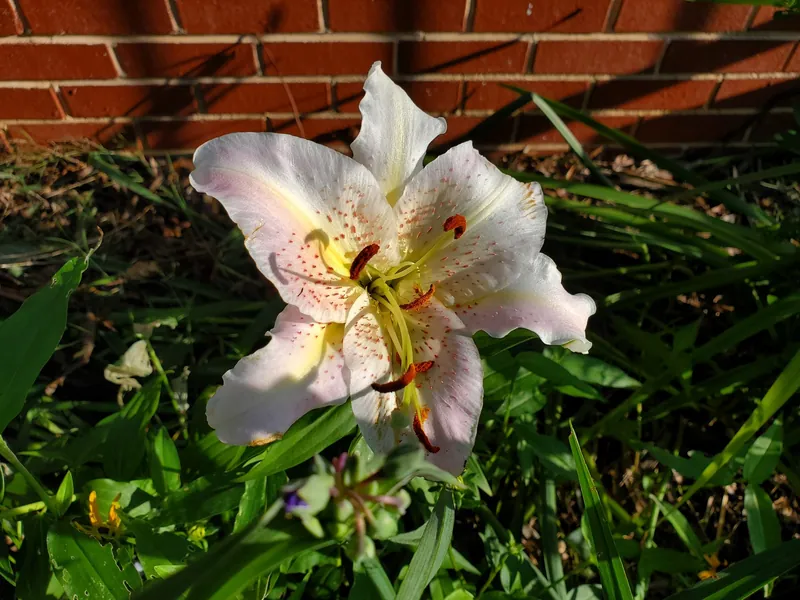 Lily
Lily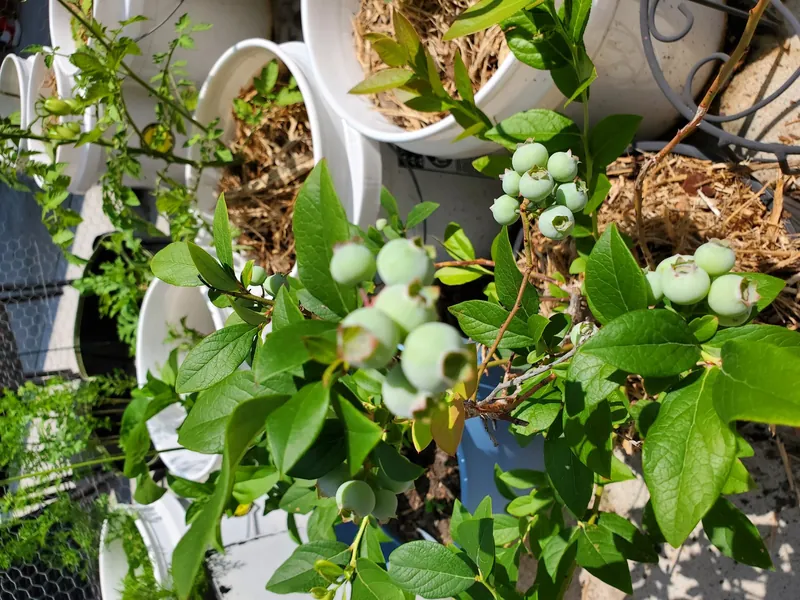 Blueberry
What MyTCLab does
- Recipes scaled to your jars. Enter your plant, container, and quantity, and get the exact recipe. No more starting over when the count changes.
- Batch journal with timers. Know when each subculture cycle is due.
- Shelf map. Know where every batch is.
- Offline first. A lab shouldn’t stop because the internet did.
- Optional community. MyBusinessTree connects growers, gardeners, and buyers when you want it.
Principles
Useful before impressive. The software solves real lab problems first. The design makes those solutions clear.
Order first. Organization is what keeps the work on track.
It takes time, and it’s possible. There’s a lot to learn. Put in the time, keep records, and learn from every jar.
Learn and Community
Start with the Learn section for the full cleaning sequence and protocol basics. Then bring your questions and results to the Community, where growers share what’s working.
Founder
Steward Clinton is a marketer by training and a tissue-culture learner by practice. He runs MyBasic LLC in Marietta, Georgia, and Steward Farms, a pesticide-free blackberry micro-farm.
Creation is ordered, and the more carefully we look, the more we find. We’re building MyTCLab to help other growers look carefully, keep the order, and keep track of what they find.